
STQC

STQC IP Camera Pre-Assessment Readiness Guide
As compliance requirements for network-connected CCTV cameras take effect, non-compliant cameras may face restrictions on sale or procurement in India.

As compliance requirements for network-connected CCTV cameras take effect, non-compliant cameras may face restrictions on sale or procurement in India.
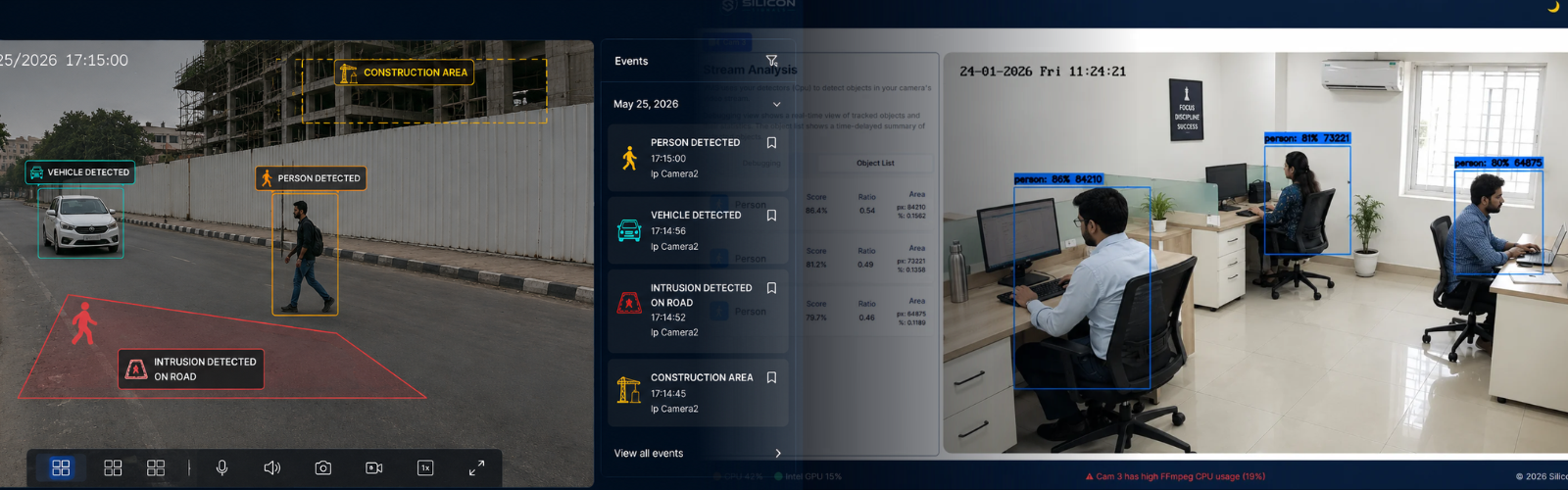

In AI video analytics, the trained neural network analyzes the frame of the video and understands objects, actions, and events.

STQC camera testing is a lab evaluation of a camera against the Essential Requirements notified by MeitY. Labs working under
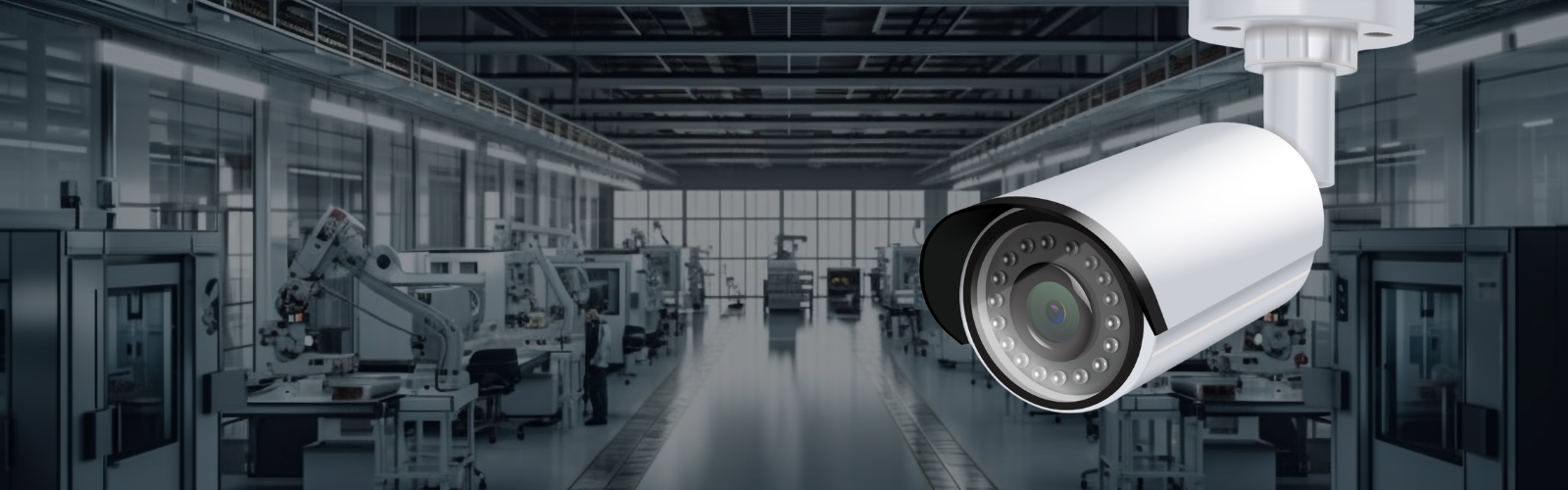
The CCTV camera company owns the customer, the product definition, and the market positioning. It does not necessarily need to


IP camera cybersecurity matters because a camera is a networked computer that records sensitive footage. A weak device gives attackers

Regulations for procurement, audits for privacy, and supply risks have made it important for OEMs to think outside one region

A CCTV camera ODM is a company that designs and builds camera hardware and firmware for sale under another brand

Introduction Since 1 April 2026, an Indian CCTV camera that misses the MeitY Essential Requirements cannot be sold, regardless of image quality or price. A 16 January 2026 memorandum withdrew the stock-clearance allowance for older inventory. Cameras now win or lose on firmware behavior. An STQC-certified camera starts with secure software, and CCTV compliance is settled in code before a device reaches the test lab. This guide covers what to build, check, and document. What Is STQC-Certified Firmware for a CCTV Camera? STQC-certified firmware is camera software that passes testing against the MeitY Essential Requirements under the STQC IoT scheme.
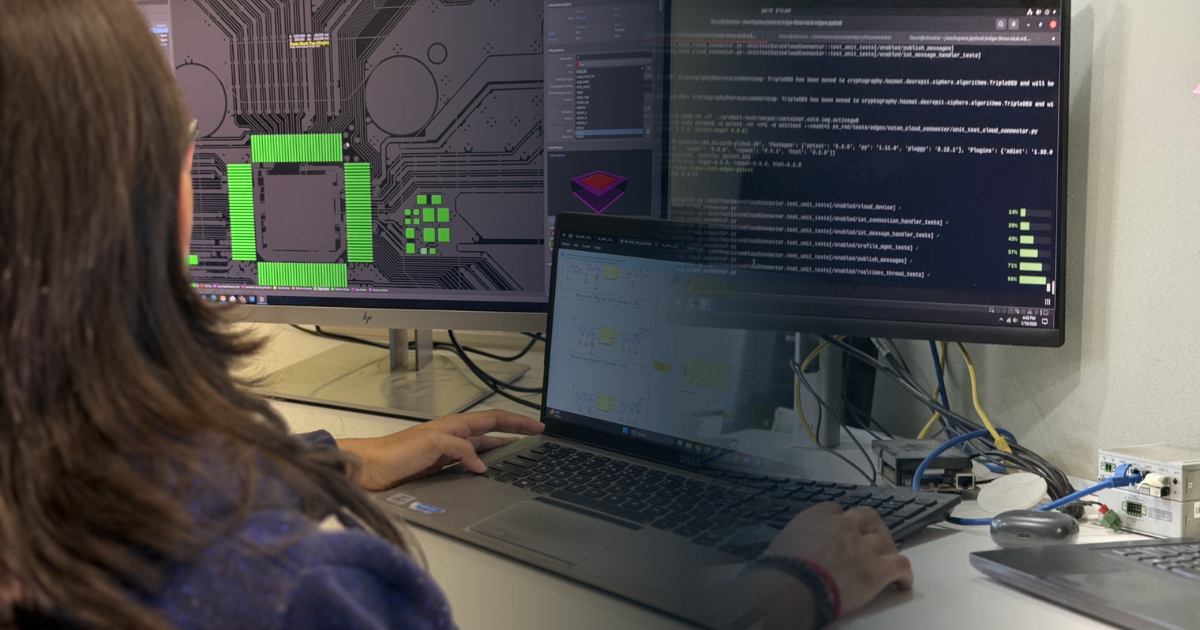
Introduction IP camera hardware and firmware are different sides of the same integrated system. If a design team doesn’t think about IP cameras this way, image quality and network stability suffer, and so does the equipment’s long-term reliability. Fortune Business Insights predicts that hardware will represent 62.24% of the global IP camera market by 2026 due to the market’s reliance on hardware components like sensors, lenses, and connectivity. That hardware delivers its full value only when the camera firmware uses the available processing and imaging capabilities properly. What Is the Relationship Between IP Camera Hardware and Firmware? IP camera hardware
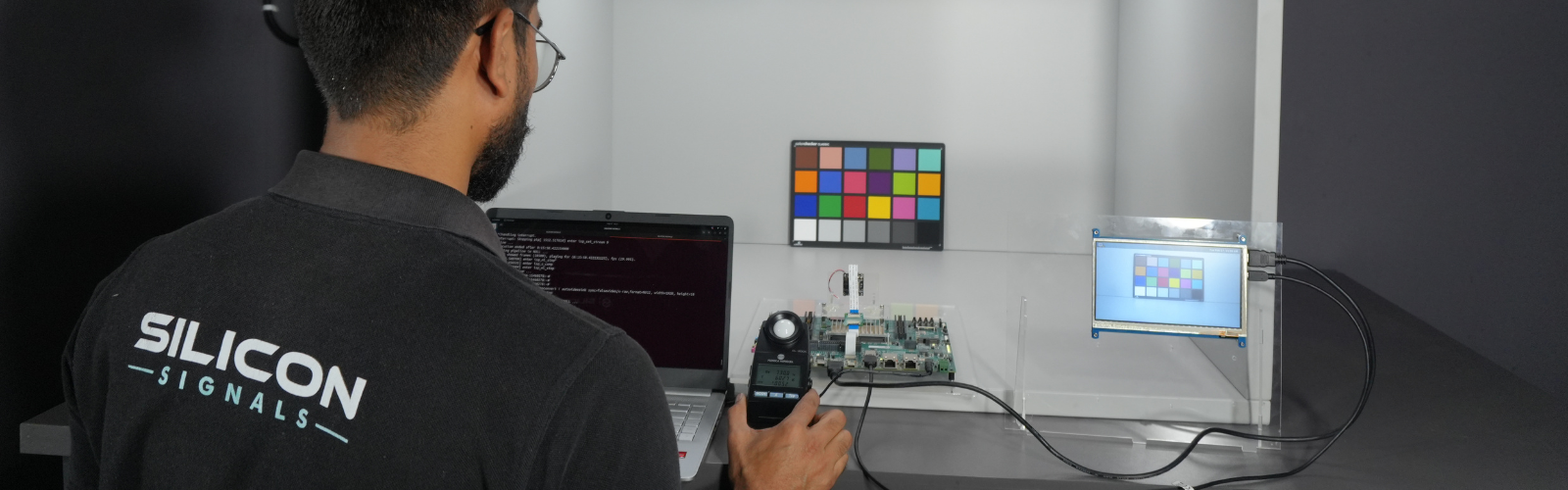

Sensors capture light, but an image signal processor, or ISP, determines the next step. ISP tuning affects the picture’s exposure
Share Details